With this new My Favorite Wargame Cards Series, I hope to take a look at a specific card from the various wargames that I have played and share how it is used in the game. I am not a strategist and frankly I am not that good at games but I do understand how things should work and be used in games. With that being said, here is the next entry in this series.
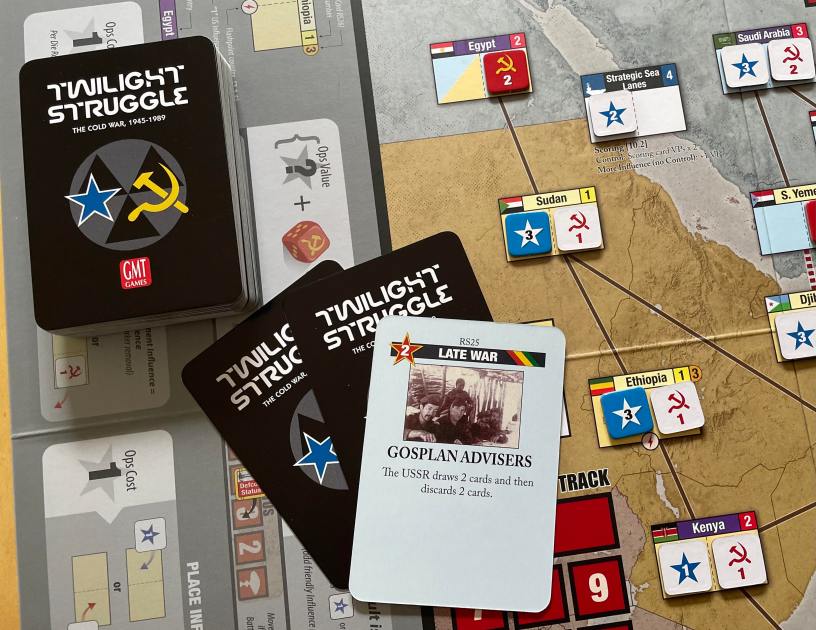
Card #27: GOSPLAN Advisers from Twilight Struggle: Red Sea – Conflict in the Horn of Africa from GMT Games
We all love Twilight Struggle….and if you say you don’t, you really do but just want to be different or are a contrarian! The game is phenomenal and has done very well for GMT Games with 8 Printings as well as the Turn Zero Expansion and now a series of smaller geographically focused spin off games starting with Twilight Struggle: Red Sea – Conflict in the Horn of Africa. Twilight Struggle: Red Sea deals with just two regions located in the Horn of Africa including Africa and the Middle East. The game uses the familiar Twilight Struggle formula of Cards with both Events and Operations Points that can be used by players to perform Coups, do Realignment Rolls or place Influence in an effort to gain control of the most Countries in the Regions to score Victory Points and win the game. The game is fast, furious and only lasts 2 hands of cards (unless you choose to play the special 3 Turn variant) so there isn’t a lot of time to mess around and players must be focused on what they are trying to accomplish. The best thing about the game is that it plays in 45 minutes as compared to 3-4 hours for Twilight Struggle.
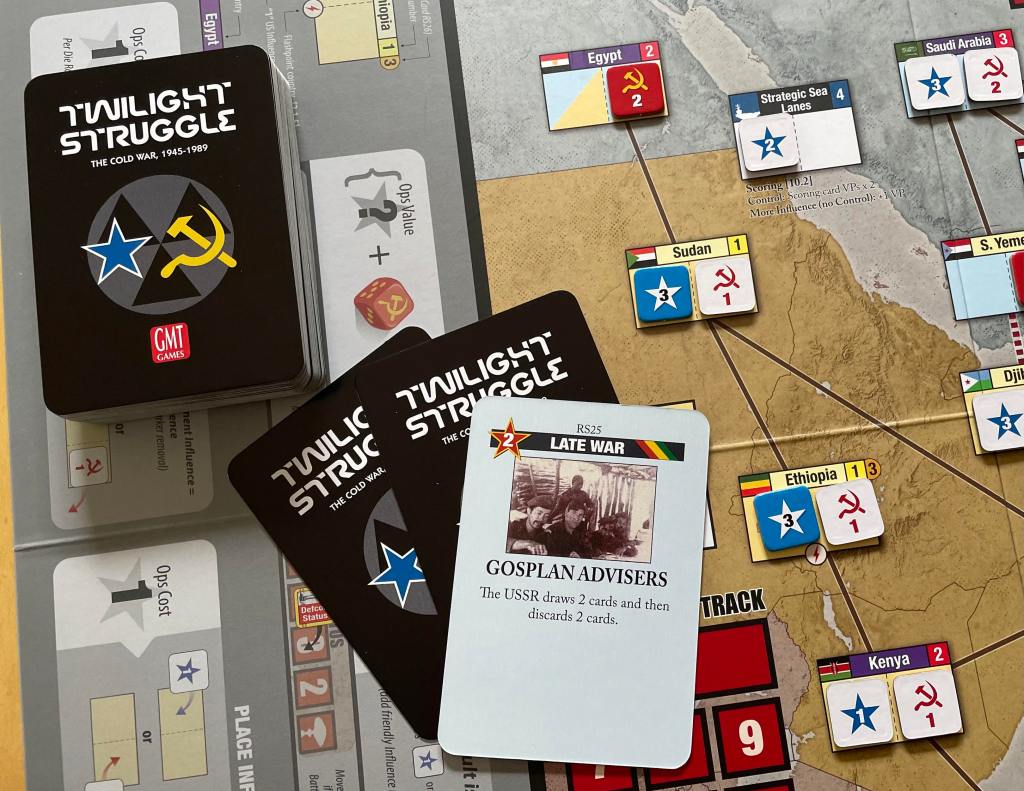
The next card we will take a look at in this series is GOSPLAN Advisers, which is a Soviet Late War Card with a 2 Ops Value. The State Planning Committee, commonly known as GOSPLAN, was the agency responsible for central economic planning in the Soviet Union. Established in 1921 and remaining in existence until the dissolution of the Soviet Union in 1991, GOSPLAN had as its main task the creation and administration of a series of five-year plans governing the economy of the USSR.
This card is not complex but can be very beneficial when played at a time when you have a bad hand or are looking for a specific card. Remember, that one of the most important aspects of any Card Driven Game, particularly those where an enemy event will be triggered if the card is played, is the proper management of your hand and damage control of those cards. Another key to being successful in any card based game is card advantage and being able to cycle through your deck to get to your best cards. GOSPLAN Advisers allows the Soviet player to draw 2 cards and then discard 2 cards. This can provide you with new cards to play but also get rid of your opponent’s cards that are clogging your hand and which also may have nasty events. Think of this card as a palette cleanser. When drawn at the right time, it can mean the difference between victory and defeat.
One of the things that I was immediately impressed by when we first played Twilight Struggle: Red Sea – Conflict in the Horn of Africa, was the fact that it was not just a reskin of Twilight Struggle. This game was a smaller, faster playing, more tightly focused regional look at the Cold War and the struggle for control of Africa and the Middle East as I have espoused above. But it was more than that as it really had integrated some new mechanics and tricks into the design that have created a new focus and new tension for the players. These new elements don’t make large sweeping changes to the core of the game, but do add some interesting new twists to give a new and fresh experience without taking away the essence and feel of the original classic Twilight Struggle.
GOSPLAN, an abbreviation for Gosudarstvenny Planovyi Komitet, was formally established by a Sovnarkom decree dated February 22, 1921 and was coincidentally passed on the same day that an article by Soviet leader V. I. Lenin was published in Pravda criticizing advocates of a “single economic plan” for their “idle talk” and “boring pedantry” and arguing that the GOELRO plan for national electrification was the “one serious work on the question of the single economic plan.”
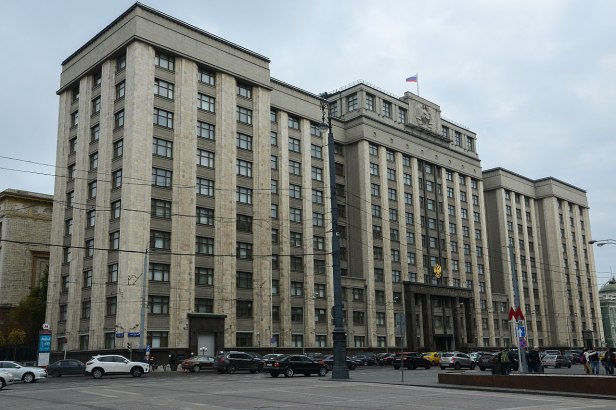
(later Russian State Duma building)
GOSPLAN’s role in the Soviet economy cannot be overstated. It was responsible for translating the political visions and ideological goals of the Communist Party into concrete economic plans and actions. This included everything from determining the output of coal mines to setting the prices of goods and services across the economy. The committee utilized a vast array of statistical and analytical tools to monitor economic performance and adjust plans as needed. However, the limitations of central planning, such as shortages, surpluses, and inefficiencies, were evident throughout its existence.
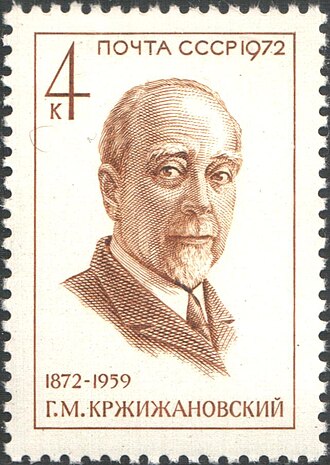
The legacy of GOSPLAN is mixed. On one hand, it enabled rapid industrialization and transformation of the Soviet Union into a global superpower, particularly evident in the rapid developments that occurred from the late 1920’s through the 1930’s. On the other hand, the rigidity and lack of flexibility inherent in central planning led to economic inefficiencies, resource misallocation, and eventually contributed to the economic stagnation that became apparent in the latter days of the Soviet Union. The fall of the Soviet Union in 1991 marked the end of GOSPLAN and the central planning model it represented.
In the next entry in this series, we will take a look at 2 cards including both of the Home Cards for the Holy Roman Empire faction called Holy Roman Intercession and Patron of Arts & Sciences from Virgin Queen: Wars of Religion, 1559-1598 from GMT Games.
-Grant
 The Players' Aid
I really enjoy these posts about your favorite cards. The little tidbits and research make the cards stand out. Great Job!
LikeLiked by 1 person
Thanks Jerry. I enjoy doing them and theoretically could do them forever as there are about 100 CDG’s that I have really enjoyed with many more that I need to get to the table. Thanks for reading.
LikeLike