
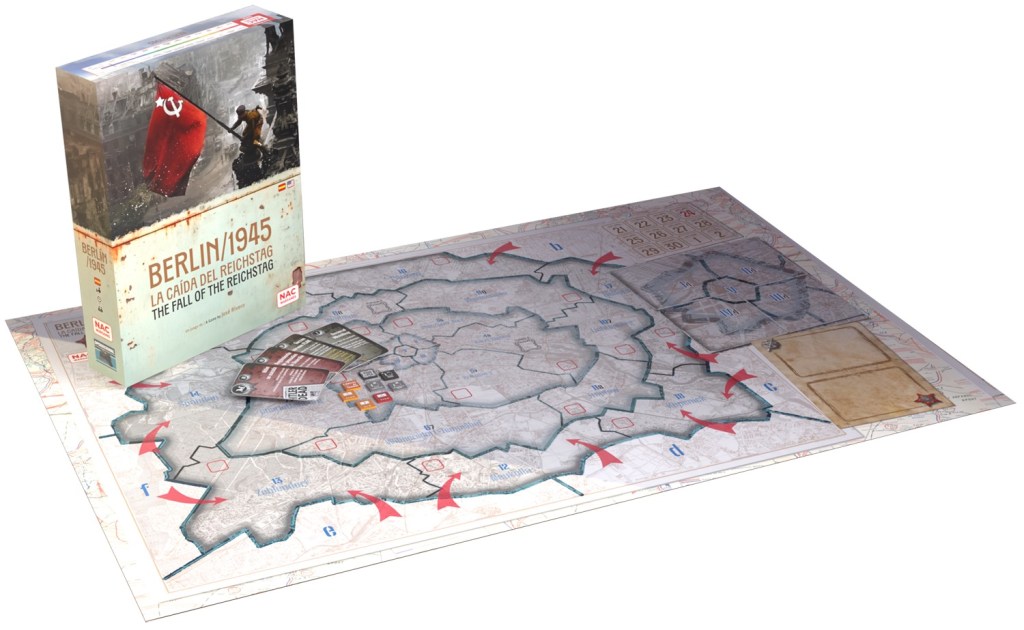
A few weeks ago, I came across a new upcoming game from NAC Wargames called Berlin 1945 – The Fall of the Reichstag designed by Jose Antonio Rivero. He has designed several games that you might know including Granada: Last Stand of the Moors from Compass Games, The King in the North from NAC Wargames amongst several others. I thought the game looked interesting and reached out to Jose and he was more than willing to provide information on his design.
If you are interested in Berlin 1945 – The Fall of the Reichstag, you can pre-order a copy from the NAC Wargames website at the following link: https://www.masqueoca.com/tienda/producto.asp?item=9051&tit=Berl%EDn%201945%20La%20Caida%20del%20Reichstag
You can order the game in English from the following link: https://nacwargames.com
They have both Spanish and English language editions offered.
Grant: First off Jose please tell us a little about yourself. What are your hobbies? What’s your day job?
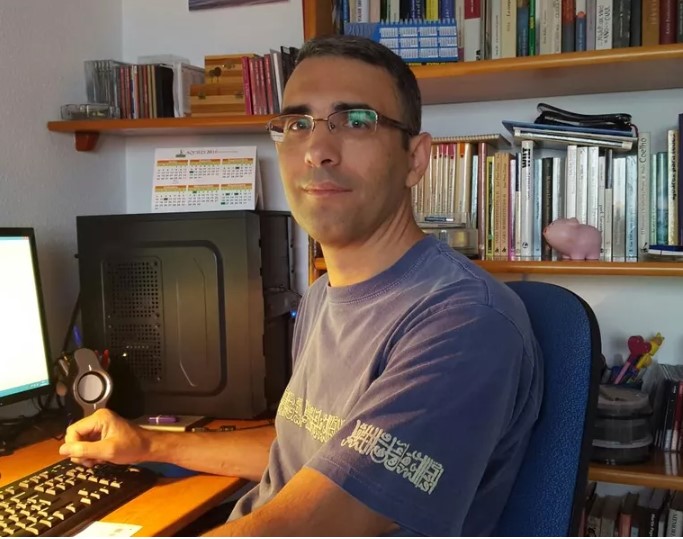
Jose: I work as a sales manager for tourist lodging in the Canary Islands. I love travelling and so I consider everything related to tourism as a nice job. Then I like to travel and visit new places myself in my free time. I am fond of learning languages which not only helps in my job to deal with foreign customers but is a good tool to open your mind and communicate with people from all over the world. I like reading but mainly historical books, and I specifically love military history. Therefore, I like to design and play wargames.
Grant: What motivated you to break into game design? What have you enjoyed most about the experience thus far?
Jose: I entered the world of design by chance and as a kind of challenge, and my first design was a board game called Thalassocracy (Greeks & Phoenicians trading in the Mediterranean). I was reading a thread in a board game forum in Spain Labsk where the designer Antonio Catalán proposed a series of board games and among them there was one about trade in China. From there I felt that a game about trade in Antiquity was interesting. Take into account that this was in 2008 and at that time the repertoire of games was very small, there was no board game about the period I was referring to, 7th and 8th centuries B.C., and as I had read a magazine about the extraordinary expertise of the Phoenicians in the art of navigation and trade, I started to investigate and design a game on that subject. Since that time, I have not stopped devising and designing board games of different themes and in the last few years almost all of them have been wargames. The part I enjoy the most is the documentation, the elaboration of maps and components such as cards and tokens for the prototypes. Also the playtesting with many volunteers.
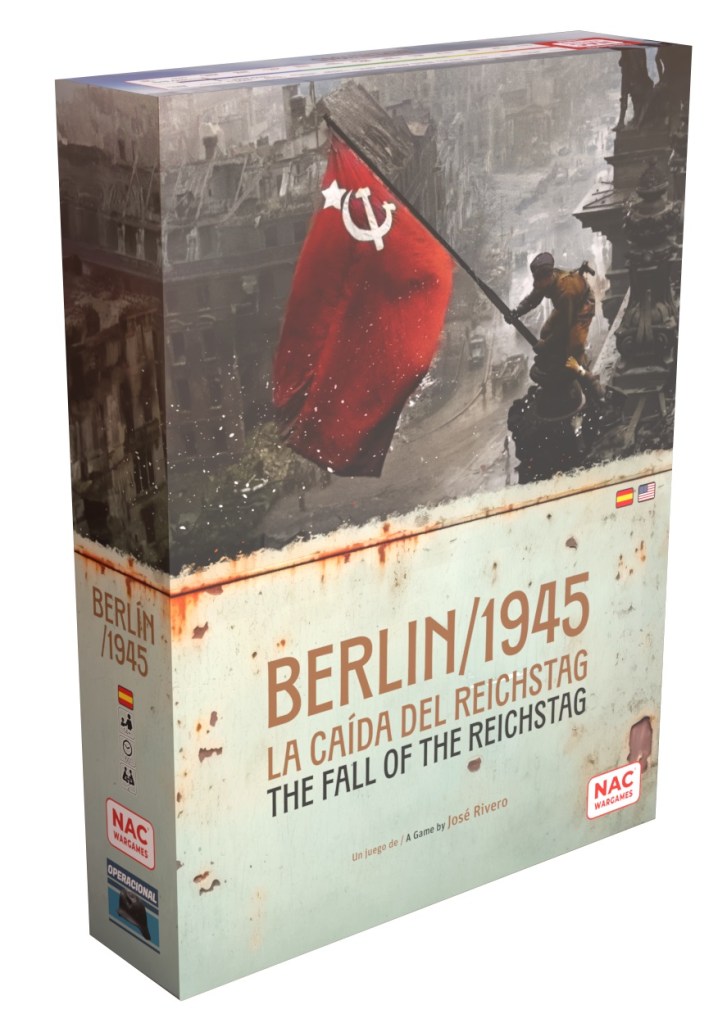
Grant: What is your upcoming game Berlin 1945 about?
Jose: Berlin 1945 is a 2-player wargame with event cards that recreates the Battle of Berlin from April 24 to May 2, 1945, the last great battle and the end of World War II in Europe. One player represents the German army and the other the Soviet army. The final chapter in the destruction of the Third Reich began in April when Stalin unleashed the brutal power of 20 armies, 6,300 tanks and 8,500 aircraft with the objective of crushing German resistance and capturing Berlin. The depleted German forces put up a stiff defense, initially repelling the attacking Russians, but ultimately succumbing to overwhelming force. The Soviet army surrounded the city slowly tightening its stranglehold on the remaining defenders. Fighting street-to-street and house-to-house, Russian troops blasted their way towards the city’s center.
Grant: What does the subtitle “The Fall of the Reichstag” say about the game and what the player can expect?
Jose: The title itself says it all. The fall is the end, the last days of a destructive regime that paralyzed Europe and the whole world for years. Hence the relevance and importance of this battle to end the war. Berlin was the capital of the Third Reich, the center of power, and the Reichstag was its symbol. So once it fell it was all over.
Grant: Why was this a subject that drew your interest?
Jose: Without any doubt and the statistics and polls certify it, the Second World War has a lot of appeal for all wargame fans. And also for those who do not play, it is a subject consumed either in movies, novels or video games. So sooner or later I knew that I had to design something about this war.
We already had dozens of games covering the Russian Front, many others of the Normandy landings and the allied advance through the West, many about the Pacific and North Africa, but as for the Battle of Berlin few games exist despite being where one of the most important and decisive battles of the Second World War was fought and meant the fall of the Third Reich and the end of the World War in Europe.
Grant: What is your design goal with the game?
Jose: The wargames about this topic that were available the year that I considered the project were either too complex, including a large amount of details and several hundred counters, or they were extremely simplistic. I set out to find a middle ground, a light wargame that could be played in an hour, with few pages of rules, without the need for combat tables or calculating algorithms and mathematical formulas.
Grant: What sources did you consult about the details of the history? What one must read source would you recommend?
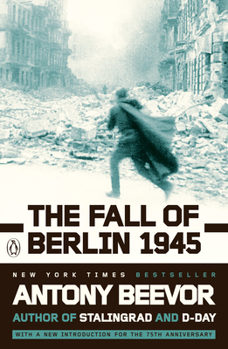
Jose: I have watched lots of documentary videos and read several books about the Battel of Berlin as well as a few magazines with maps and Order of Battle details but if I had to choose just one, the best source for me was The Fall of Berlin 1945 by Antony Beevor.
Grant: What important elements from this period of WWII were important to model in the game?
Jose: I had to do a tremendous exercise of abstraction and simplification to achieve a game that will not last more than an hour and a half yet remain true to the history of the battle.
To do this I had to use scissors and remove many elements. This is true for the number and naming of units, as well as for the simplification of other details. What I did want to represent was that the defense was carried out by a broken, disorganized, and uncohesive remnants of the German army. And that the attack was massive and overwhelming. With these premises in mind, I set up the game. With the Event Cards, I took the opportunity to add historical facts to make it more immersive and thematic and to provide players with an insight into the actual history and how it played out in the war.
It was clear to me that the focal point of the battle was the center, called Mitte, where the governmental district was located with the parliament building, the Reichstag, as a key piece.
Grant: What has been changed or updated from the Bonsai Games edition?
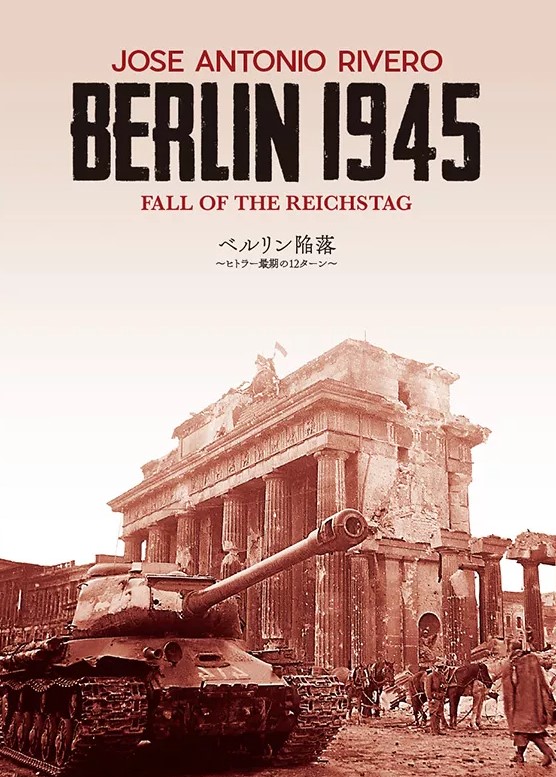
Jose: The artwork has been changed 100%. In the Japanese edition by Bonsai Games the artwork was done by Nils Johansson and in the NAC version by Adolfo Suárez. There are some changes in the initial unit set up, in the input of reinforcements throughout the game, updates and changes to some counters (in NAC there are elite Soviet units), in the effects of some of the Event Cards, the way to mark the movement orders differs and a small change in the victory conditions.
Grant: What is the anatomy of the games counters?
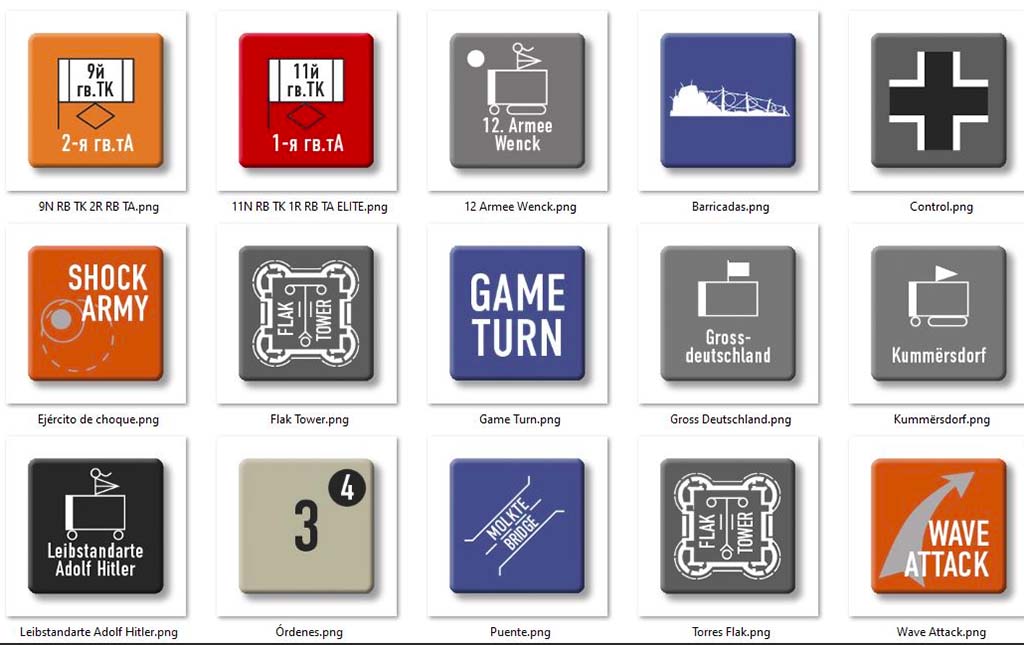
Jose: There are markers for zone control and for the application of certain Event Cards. And then of course unit counters for troops. In an effort to keep the unit counters simple and make the game imminently playable, there is very little information found on the units themselves.
Grant: What different types of units does each side have access to?
Jose: Units represent Wehrmacht, SS, Luftwaffe, Paratroopers, Gendarmerie and Volkssturm, but all in a quite abstract manner. Real regimental names have been taken but as anecdotal as the combat value fluctuates only between one and two (elite). For Soviets a different group of corps, divisions and regiments of the Red Army.
Grant: How does the combat system work?
Jose: Combat takes place in all districts containing friendly and enemy units after the movement phases of both armies have ended. Combat is resolved one district at a time, in the order of the German player’s choice. To resolve a combat, both armies calculate their forces in the district in dispute. German SS units are calculated as 2 forces per unit, as are Soviet elite units. Wehrmacht and non-elite Soviet units are calculated as 1 force per unit. Event Cards may be used by each player during combat resolution (the cards with the ‘C’ symbol) and their use modifies the strength.
The strengths of the two armies are compared. The side with the higher strength is the winner. If both armies have the same strength (a draw), there is no winner and no loser. In this case both armies eliminate a unit. If one side has more strength than the enemy but less than twice the enemy’s strength = the loser eliminates one unit. If one side has double or more the enemy’s strength but less than three times the enemy’s strength = the loser eliminates two units*. If one side has three times or more the enemy’s strength = loser eliminates three units*. * The winner rolls the die X times [X equals the number of units lost by the enemy – 1]. For each roll of 1 to 3, the winner must eliminate one of his own units.
Once combat is resolved, units from both armies may remain in the district.
Grant: Why was it your choice to use diceless combat? What advantage does this give the design?
Jose: Because I saw this mechanic in the Dos de Mayo game and I thought it was really new and spectacular. So I thought I could transfer it (with some adaptations) to this battle. The thing is that I’ve always found a wargame without the use of dice fascinating. It’s true that there are wargames that don’t use dice but use battle cards instead, some very ingenious ones like Hannibal: Rome vs. Carthage. However, the one used in Dos de Mayo and Berlin 1945 are unique in their extreme ease and speed in obtaining results and in their extraordinary control of the outcome by eliminating almost all chance and luck. It is pure mathematical calculation that influences the results, which makes it tremendously analytical at all times. There is a certain amount of chance or randomness in the Event Cards, which provides delicious or terrible surprises and variability – a small amount of uncertainty is fine so it’s not chess – but the control is great for a large part of the game.
Grant: How does the game use secret and simultaneous orders?
Jose: In the beginning, both players had a sheet where they secretly write down the moves of the turn. Each side has a different number of moves. For example, the Germans move more at the beginning but as the circle narrows and the Soviets advance, the number of German orders decreases representing their attrition and lack of resources and communications. Then both players would simultaneously display their orders and apply them. This method was changed and simplified in an ingenious way by the Bonsai development team. It consisted in the fact that only the Soviet player wrote his orders, once he had written them down, the German player would directly carry out his movement orders on the board and then the Soviet player would display his and apply them. The rules in the NAC version follow this procedure with the variant that they are not written on sheets but marked on an order board with markers and a screen hides them from the German player.
Grant: How are Event Cards used in the design?
Jose: All the Event Cards produce an effect that results in a swing for the game, there are no points of operations or things pf that style, simply the effect is applied when the player uses it and this card is eliminated from the game. At the beginning, both players start the game with a hand of 5 Event Cards and then every turn they draw a new one.
Grant: What different types of cards are available?
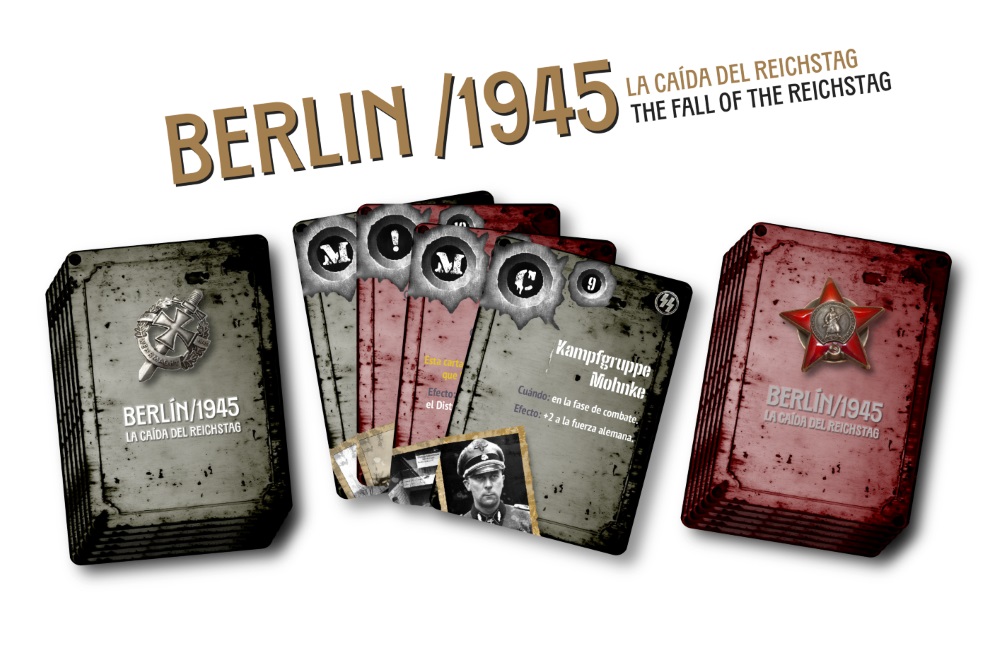
Jose: There are three types of cards, ones that are used only in combat, ones that are applied in the movement phase and finally ones that are used at any time specified in the text of the Event Card. They showed an icon to determine to which type it belongs to.
Grant: Can you show us a few examples of cards and explain their use?
Jose: I will explain several effects on each of the three types of Event Cards. Lets take a look at the cards in the image below. German card #16 causes an effect which can be applied in the Movement Phase (see M), and this one allows the German player to place 2 barricade counters in any two districts. Barricades will slow down the Soviet advance into those districts. Soviet Card #3, Lavochkin airplanes must be used in the Movement Phase as well. It simulates a bombardment and one German unit in a specified district will be removed.
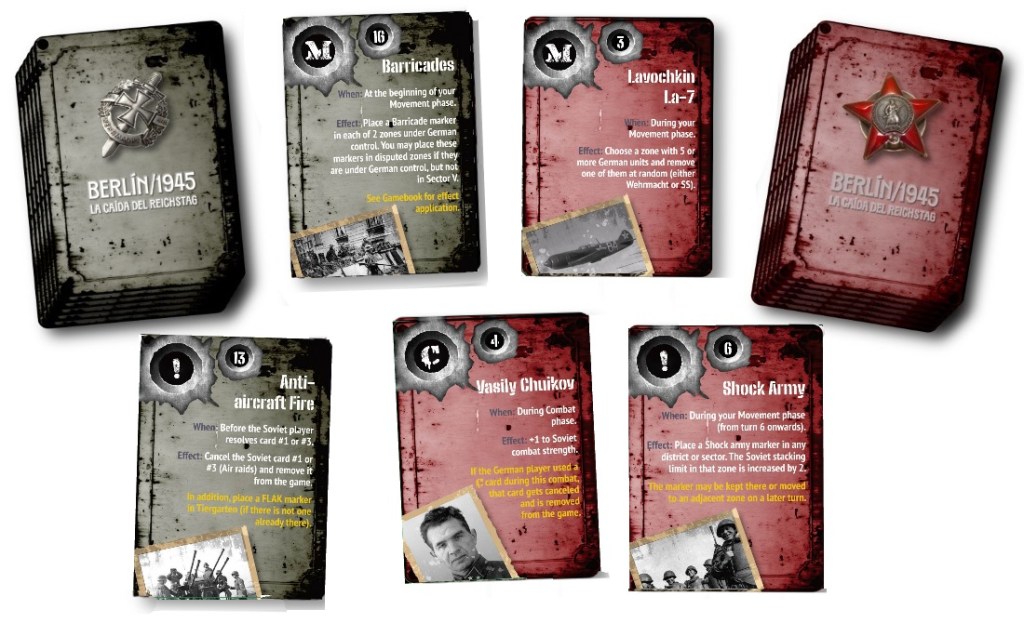
Let’s look at the German card #13, It is marked with a ! symbol and the event will be applied when the Soviet player wishes to use his cards #1 or #3, and the effect will be cancelled. Soviet Card #4 shows a C, and therefore will be used during the Combat Phase. It gives a +1 combat factor to a Soviet unit that turn. Finally Soviet Card #6 shows a ! symbol and will be applied during the Soviet Movement Phase. The Shock marker allows to increase in 2 the maximal number of the stack in a district.
Grant: What is the layout of the board?
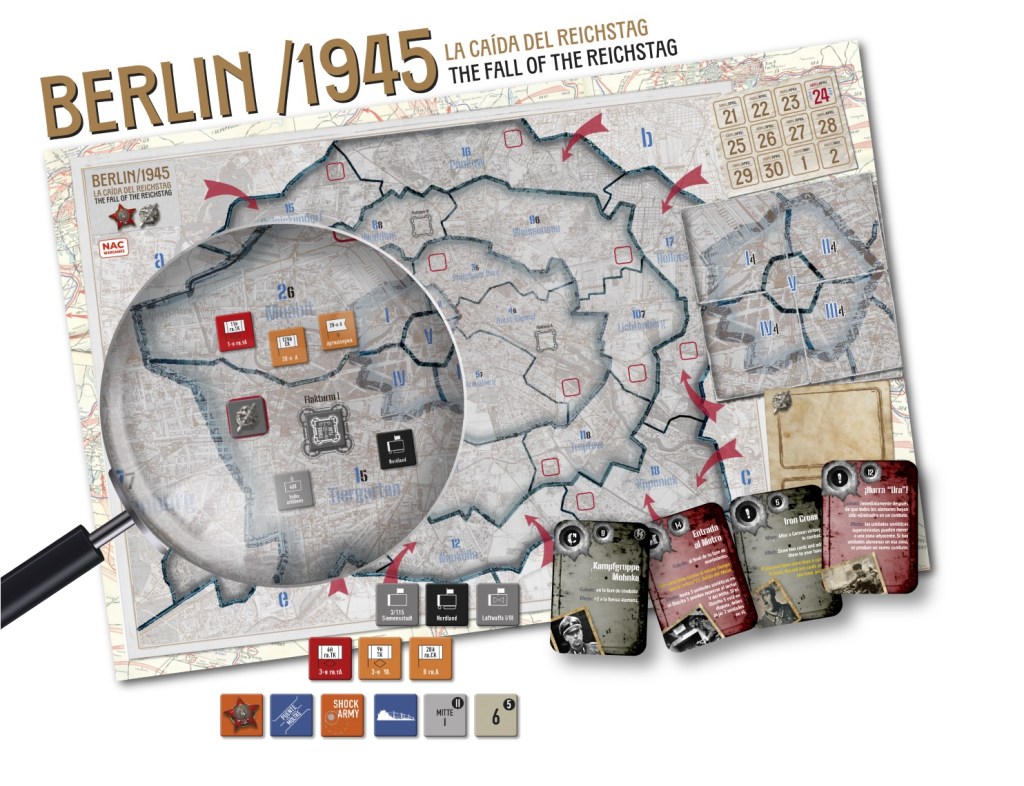
Jose: The board shows a representation of a vintage map of the city of Berlin divided into 18 historic neighborhoods or districts and the central area of the Zitadelle or Mitte divided into 5 sectors. There is a turn track and an area to place the decks of cards for both players.
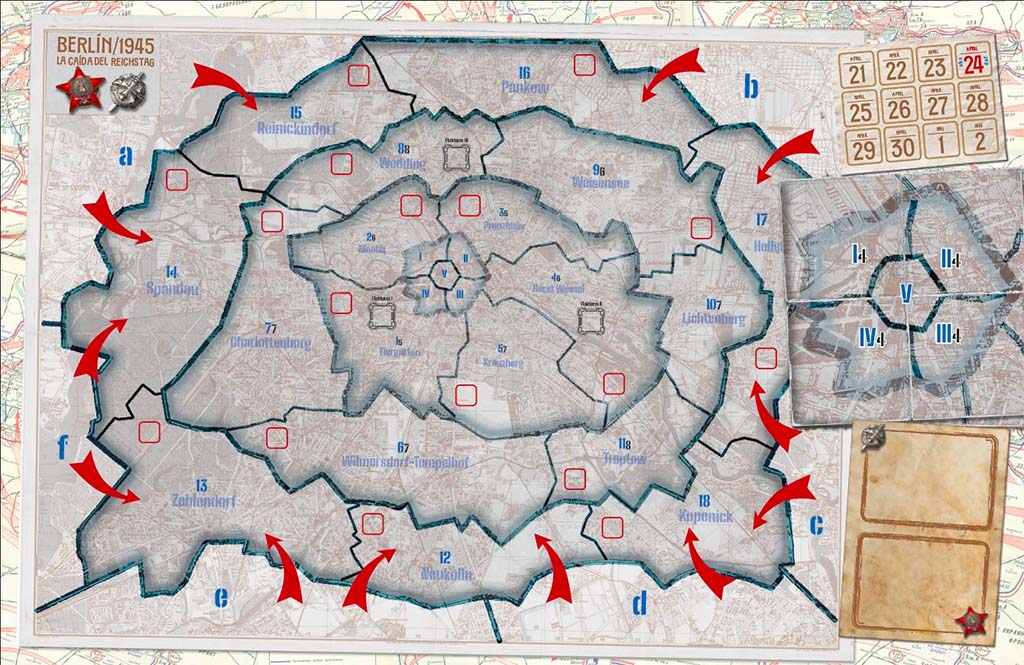
Grant: What is the purpose of the red arrows found on the outer ring of areas?
Jose: The red arrows show the path through which districts that the Soviet troops may enter into Berlin.
Grant: How is victory achieved?
Jose: There are a few ways to win depending on which side achieves them.
Soviet victory condition The Soviet player wins the game if the following condition is met at the end of the game (turn 12-2 May): The Soviet Combat Force in Sector V is at least twice the size of the German Combat Force present there.
For the Germans: From the end of turn 4 until the end of the game, the German player wins immediately if the German Combat Force in Berlin is greater than the Soviet Combat Force (total sum between areas, districts and sectors on the map).
Standard German Victory. If he does not achieve an automatic victory, the German player wins if he prevents the Soviet endgame victory condition.
Grant: What are you most pleased about with the design?
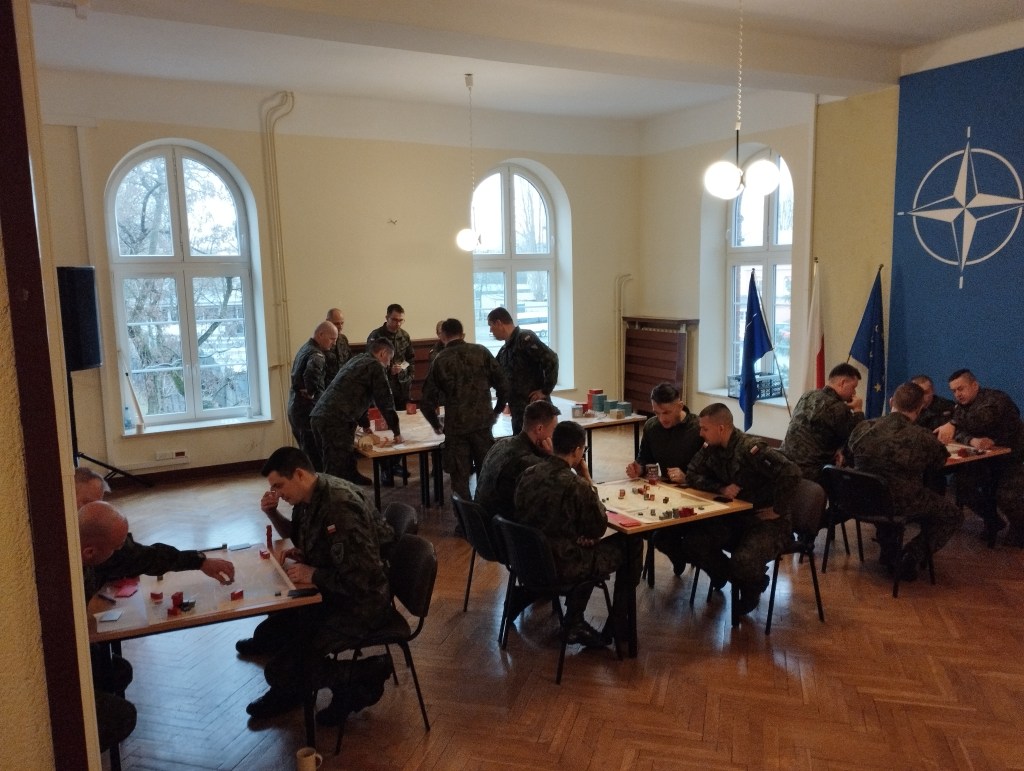
Jose: For me one of the achievements of this game is to manage in a short time and with relatively few counters, to convey and recreate an overwhelming and chaotic scenario, where the German army struggles desperately to block the great Soviet shock and stop its advance to the neuralogic center of Berlin. And on the part of the Soviet army, to overcome all the barriers and obstacles that a tough enemy puts in its way. So that in little more than an hour each turn there is a lot of intensity and tension between the two players who must calculate their future moves with precision, knowing that in each turn unexpected situations will arise and that only those who have the ability to react wisely can overcome them successfully. Another of the great joys that this design has given me is to know that it has been used on several occasions in training workshops for officers of the Polish army in classes of strategy, calculation and analysis of unexpected situations in urban battles.
Grant: What has been the feedback of your playtesters?
Jose: This game has been tested during many years and with quite a few changes along all the process refining the mechanisms and game flow. Testers from at least 15 different countries (of course even from Russia and Germany) and most of them were quite pleased and enthusiastic about the game. In fact, they supported me in the bad times to keep trying and searching for a publisher. The general consensus was that this game deserved to be known and published. And everyone told me that if it was published they would buy it. This is the best praise you can get for a design.
Grant: What is the status of the game? When can we expect it arriving on our tables?
Jose: Very soon. In fact, according to the team at NAC Wargames, the game will be out in December this year.
Grant: What other designs are you currently working on?
Jose: There are many projects. Sometimes I tell myself to take a break to be able to play the wargames of other designers and enjoy what I have in my collection but I have a constant pressure to design more games that I consider interesting and contribute from my modest tribune to increase the great current game offerings. I have in very advanced stage of development Wood Against Steel: The Conquest of the Canary Islands to be published by NAC Wargames, a wargame that I am really satisfied with and that has delighted most of the playtesters. I’m looking forward to its release so that many people can get to know this fascinating story. Very advanced along also a game about the Second Punic War, 218 BC: Hannibal vs Rome, with Hannibal and Scipio as main characters. This one has been co-designed with Brian Asklev.
Another project for the decisive battle of Ayacucho 1824, which meant the end of the Spanish Empire in America. This one was co-designed with Pedro Manzano and is currently going through art. Another project for NAC Wargames about the explorations of the Spaniards in the Pacific Ocean, 16th century; more than a wargame it is a thematic game, almost a simulation of adventure and voyages of discovery sent by the Spanish Empire. And another design that I keep up my sleeve because it is a surprise that I am not allowed to reveal yet. For the moment I have work to keep my occupied for a couple of years and am always trying to combine very diverse scenarios and periods.
Thank you Jose for your time in answering our questions. We appreciate your effort and look forward to playing this game in the near future!
If you are interested in Berlin 1945 – The Fall of the Reichstag, you can pre-order a copy from the NAC Wargames website at the following link: https://www.masqueoca.com/tienda/producto.asp?item=9051&tit=Berl%EDn%201945%20La%20Caida%20del%20Reichstag
You can order the game in English from the following link: https://nacwargames.com
They have both Spanish and English language editions offered.
-Grant
 The Players' Aid
Great interview and exciting subject matter! FYI – I tried to pre-order a copy via the link above but it doesn’t seem to allow for shipping options outside of Spain & Portugal…
LikeLiked by 1 person
Here is the English link: You can order the game in English from the filling link: https://nacwargames.com
LikeLike
Excellent, thanks Grant!
LikeLiked by 1 person
You are most welcome. I think that when I scheduled this interview about 6 weeks ago, I was awaiting a new link and just forgot to add it.
LikeLike