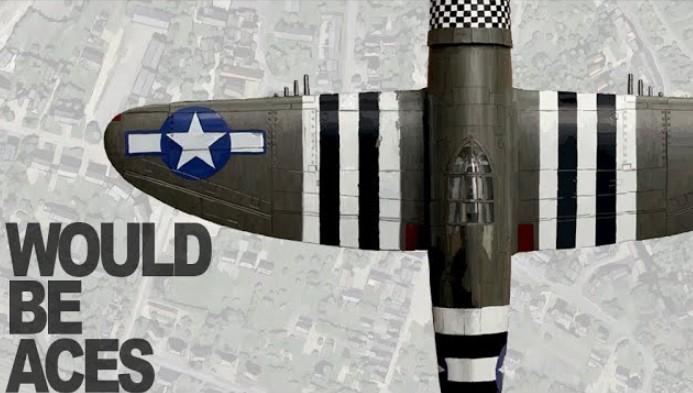
A few years ago, we posted an interview with Matt White, who is a very talented graphic artist and budding game designer, that focused on his artistic talents and love of tanks. He has since designed several very interesting small scale wargames, with his most recent series being a World War II tactical wargame series for 1-2 players pitting the British Airborne versus the German Wehrmacht called Until the Bitter End. He then designed the next entry in that series called Until the Bitter End – US Airborne followed by Until the Bitter End – Tanks. Now he has left the ground and is taking on an air war gamed called Would Be Aces that is currently on Kickstarter. We reached out to Matt and he was willing to respond to our questions.
If you are interested in Would Be Aces Print and Play you can back the project on the Kickstarter game page at the following link: https://www.kickstarter.com/projects/1564988876/would-be-aces?ref=discovery&term=Would%20Be%20Aces
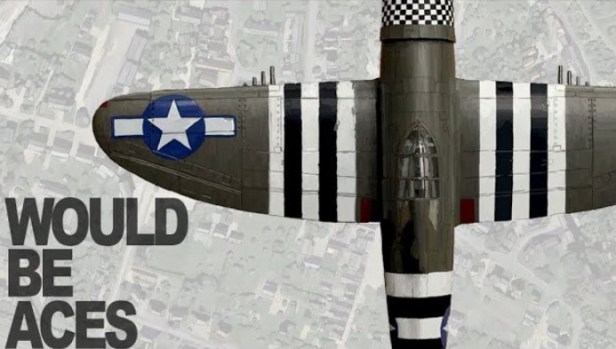
Grant: What is your new project Would Be Aces?
Matt: This is a solitaire wargame where you command a flight of P-47 Thunderbolts on missions to destroy various enemy ground forces. As your pilots fly their planes across the Western European landscape they will encounter enemy ground forces, enemy aircraft, obstacles, good fortune and crippling bad luck at every turn as you try to reach the objective.
Grant; What was you inspiration for the name of the game? What research did you do on the subject?
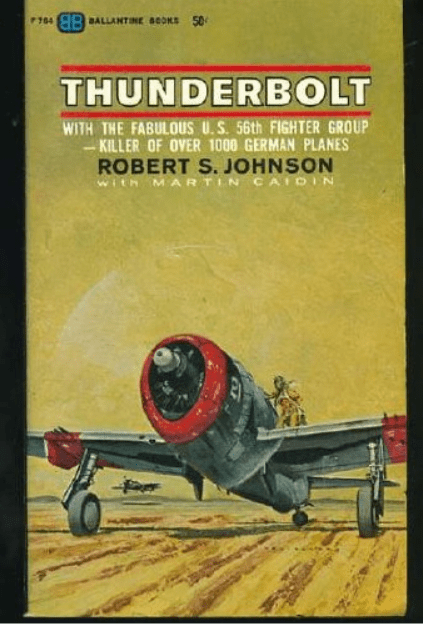
Matt: The name came from reading the book Thunderbolt by Robert S. Johnson and his dedication to the “men who fought as aces”. I have dozens of books on this plane but this particular book is a massive inspiration for this game.
Grant: Is this but the start of a new series such as Until the Bitter End? What future volumes will be included?
Matt: Yes, very much so. I want to do game’s about other ground attack planes such as the Stuka, Mosquito and Typhoon for example. I am doing research now on future volumes and hope that the system is received well and allows me to work on more.
Grant: What did you want to start by focusing on P-47 Thunderbolts? What is it about this aircraft that you find interesting?
Matt: I live in Lincolnshire here in the UK and this part of the world were home to the Mighty Eighth Air Force during WWII so we have many fine museums and memorials in the area. As a young boy, and now as a parent with my own children, I have had many wonderful visits to the Imperial War Museum at Duxford in Cambridgeshire which houses an amazing collection of WWII planes including the P-47. Because of this, I have always had a fascination with the plane and want to give it a focus in this game to allow others to experience it.
Grant: I know this design is a Print and Play offering. Why do you feel this model is best suited for your design?
Matt: I design all my Print and Play from the ground up as Print and Play games where the amount of printing is kept to the minimum with lots of options. So for this game, if you wish, you can print all the counters for which I keep to a sheet or two of paper or you can use other tokens such as spare dice. I value everyone’s time and money so I think very carefully about how long it would take to print out the game and get it to the table without needing a huge amount of printing or cost.
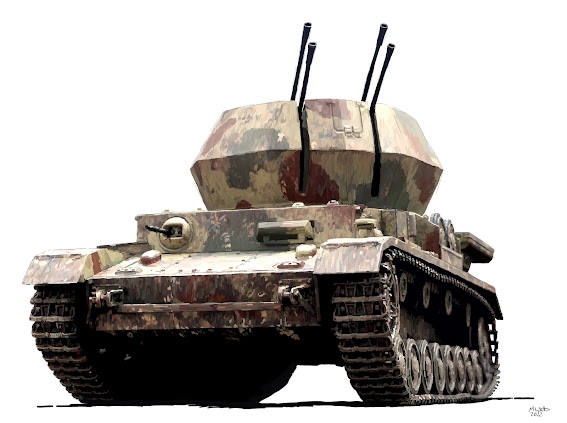
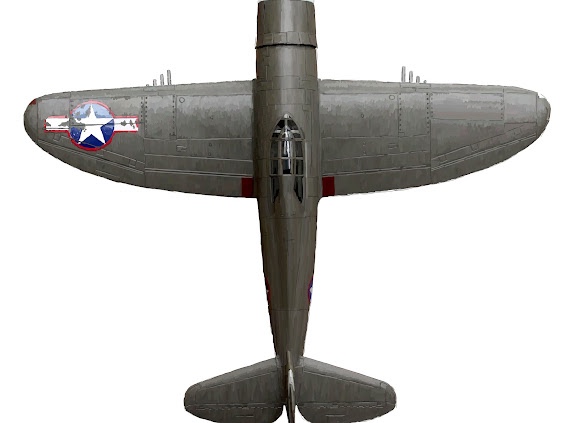
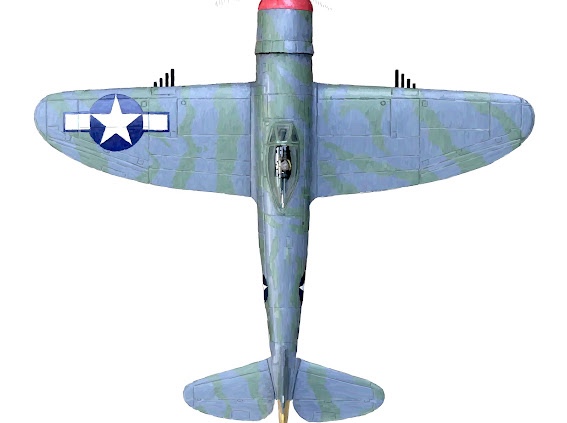
Grant: I know you are not only the designer but you do the art as well. Please show us a few examples of your great art. What is your inspiration for your unique art style?
Matt: The biggest inspiration is studying the object in real life – going to museums or air shows and really, really looking at the subject. For example, how the sun reflects off the fuselage or wings. Then I would say the next biggest inspiration is reading the first hand accounts. I like to think there is something a bit more human in my work – its why I hand draw everything. This human connection to the subject, through my work, and a connection to the men who flew and cared for these planes is very important to me.
Grant: How do you create your art? What is the process and what graphics tools do you use?
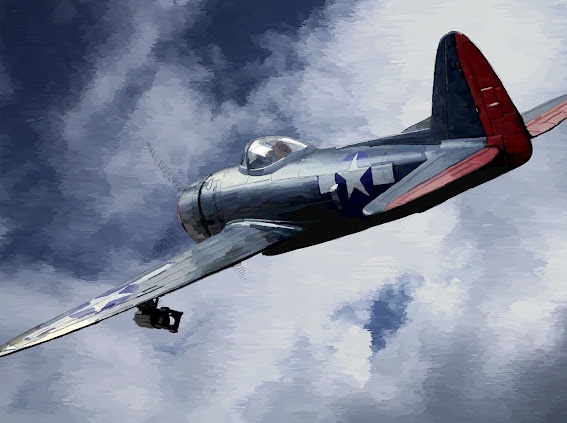
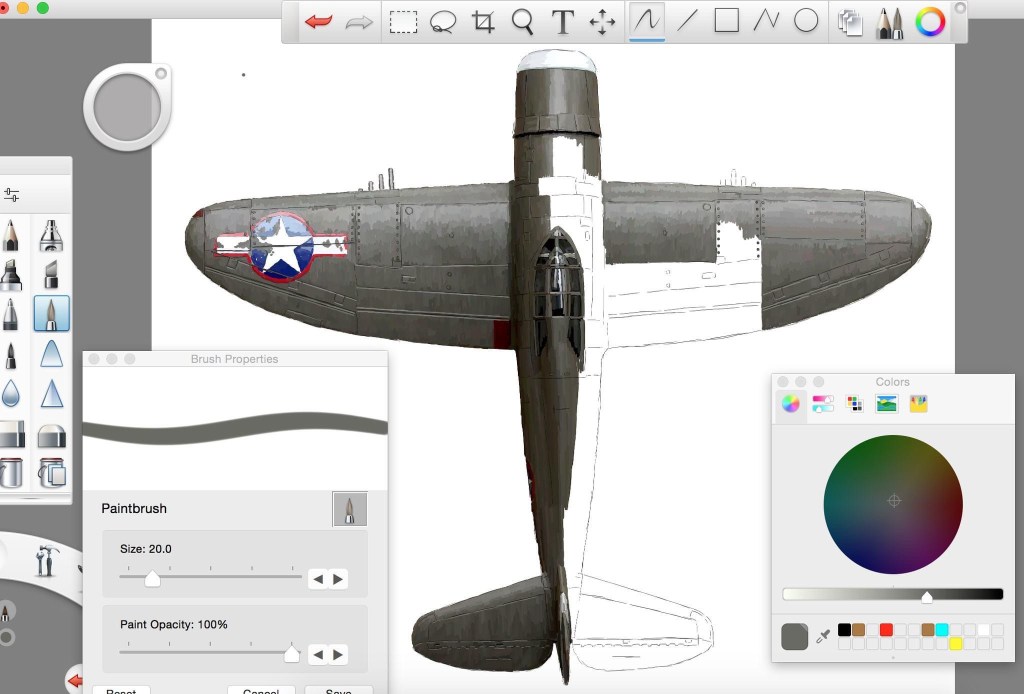
Matt: I hand draw everything in a free hand drawing piece of software using only a tablet and pen. Everything gets penciled first and then its a case of creating palettes and painting the artwork. Its a very long process and each piece can take days but one that I very much enjoy.
Grant: How does the game center around the confidence level of the pilot? How does this work?
Matt: For this game I wanted the design not to be just about the planes but also around the pilot and I was very inspired by reading first hand accounts of pilots. One of the things that really struck me, that resonated, was around this idea of a pilot feeling confident in their plane. That confidence having come through training, faith in the plane and air crew. I use this as a key mechanic with the pilots confidence increasing in a sortie or can decrease depending on the outcome of combat, near misses, etc.
Grant: How is the push your luck mechanic used in the design? What experience does this create?
Matt: I really enjoy push your luck mechanics as a gamer, and on reading these first hand accounts of P-47 pilots I knew I had to include it. Often, in the heat of battle, pilots are relying on pure instincts and the men involved often would just push their plane and own skill and experience beyond and that I knew I had to include. As a player of this game, you can do the very same thing – just push your luck with your pilot’s confidence level to see if it can give you an edge in combat.
Grant: What is the board made up of?
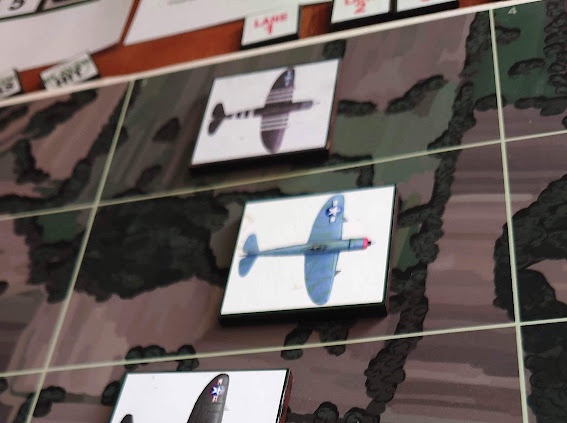
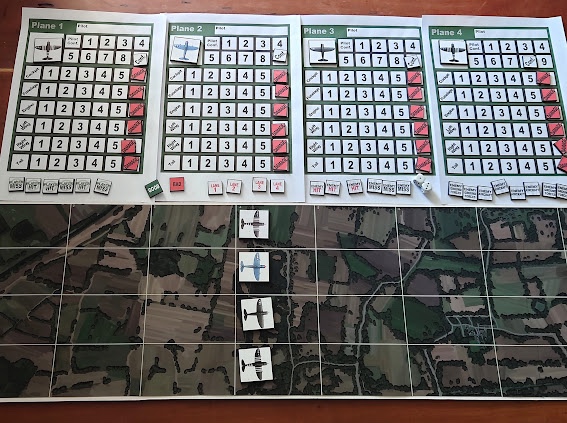
Matt: The board is made of multiple zones with the last zone being the objective. In addition, each of your four P-47’s have their own lane within those zones. You start off board and then move your planes from left to right moving through each zone to the end objective.
Grant: How is the Objective Zone determined?
Matt: The last zone on the board is the Objective Zone. A lot of P-47 sorties were quite opportunistic so to represent this in the final Objective Zone you will roll to discover what targets present themselves from enemy convoys, trains to bridges, etc.
Grant: What is the makeup of the Pilot Sheet and how is it used during the game?
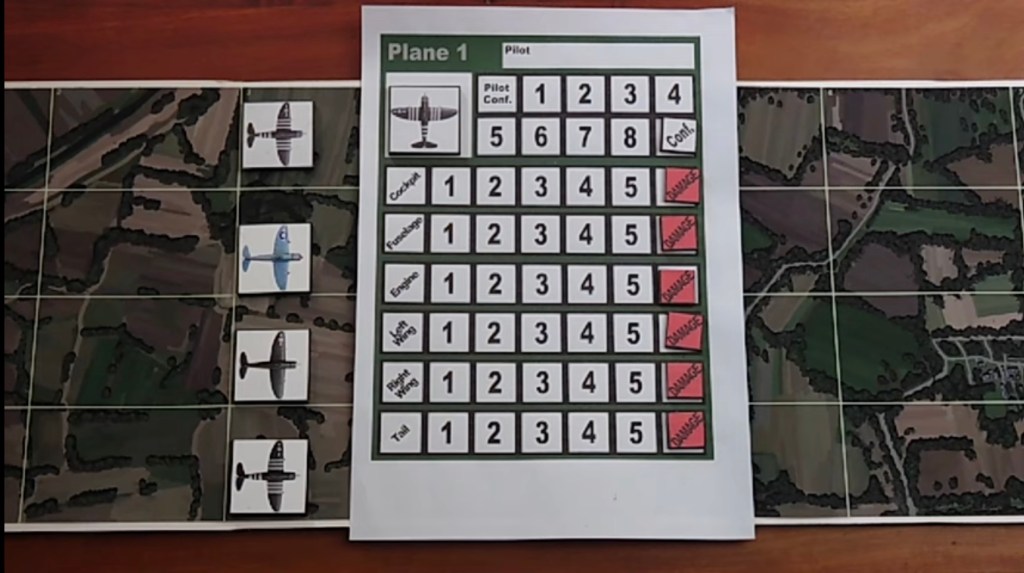
Matt: The Pilot Sheet is used to record and track both the pilot’s confidence sheet but also the health of all the main components of that pilot’s plane. Its also used to record your pilot’s name, should you wish!
Grant: What different effects does damage to the various components have on the performance of the plane?
Matt: The P-47 was an incredible plane at taking unbelievable levels of damage and some of the accounts and photos are staggering to see how a plane full of holes can still fly! To represent this the plane can absorb quite a bit of damage with no ill effect – however it can have a negative impact on the landing following a, hopefully, successful mission.
Grant: What is the Take Off Sequence? What type of experience does this process create for the player?
Matt: During the take off, the player simply roles on a couple of charts to determine success, including rolling for weather and forming up ready for the sortie. However, sometimes, things can go wrong with potential collisions and near misses.
Grant: What type of hazards and enemy forces will players encounter as they move from zone to zone on the board?
Matt: During the game the player will roll on a couple of charts to determine what happens as they move into a new zone. This can vary from no encounters, to potential hazards through to encountering enemy ground forces or enemy planes. On reading first hand accounts these pilots, when hunting for ground forces and targets would fly very low and so collisions were a constant threat, as much as the enemy.
Grant: What is the Combat Sequence when pilots encounter enemy aircraft or ground forces?
Matt: The player will firstly determine what type of enemy they encounter – both the type, the specific enemy and their confidence. This, along with the player’s pilot’s confidence will determine which combat counters they place into their cup for the Chit Pull mechanic of combat.
Grant: How is the Chit Pull mechanic used for enemy and hazard determination?
Matt: The player places a number of hit and miss counters for both their pilot and the enemy based on the respective confidence levels. The player then blindly pulls three counters from their cup and plays out the outcome. However the player can push their luck with spending some of the pilot’s confidence and use the pilots wingman to assist the type and number of counters to their favour.
Grant: What is the anatomy of the counters? What different types of information are printed on them? Can you show a few closeup shots of the counters so we can see the amazing art?
Matt: The game comes complete with both the counters for the P-47 planes and the gameplay counters. There are a variety of gameplay counters that the player can use as aids if they wish. As this is a Print and Play game I have deliberately designed the game so that the player does not have to print and make too many counters.
Grant: What is the price of the print and play? When does the Kickstarter campaign launch?
Matt: The game is on Kickstarter right now and the cost is £7 with Kickstarter converting to the currency of your location.
Grant: When do you think it will be ready for fulfillment?
Matt: I am putting the finishing touches to some of the rulebook right at the moment and the game will be ready for people in December this year.
Grant: What are you most pleased about with the design?
Matt: I wanted to make a game that is a homage to the pilots, the ground crew and the P-47 Thunderbolt and I am really pleased to finish up the design and artwork showing my respect and love for this period of history. A real turning point in the design and one that I am forever grateful for is the reading of the first hand accounts which inspired the mechanics around the pilot’s confidence.
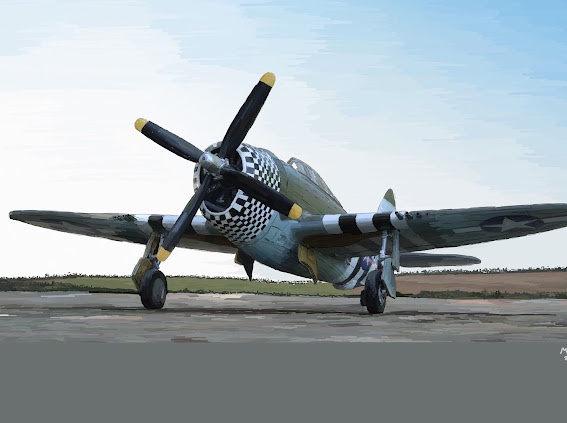
Thanks Matt for your insight into the design and for your great art. I just could look at your planes for days!
If you are interested in Would Be Aces Print and Play you can back the project on the Kickstarter game page at the following link: https://www.kickstarter.com/projects/1564988876/would-be-aces?ref=discovery&term=Would%20Be%20Aces
-Grant
 The Players' Aid
If only there was a company out there that would make a print version of this!
LikeLiked by 1 person
You could probably take the file to a Kinko’s or other copy place and they could print and cut it out.
LikeLike
Grant tell Matt that he can watch Robert Johnson at the 1993 WW2 Forum which was held at the University of Georgia. I recorded most of the three days on a VHS camcorder and then donated the funds to UGA to have it digitized in 2021. I actually met Mr Johnson at breakfast and he was a very unassuming older guy that was probably about 5’7” tall – but what a warrior! Here is the link or have Matt email me. Thanks Bill Cosgrove.
https://bmac.libs.uga.edu/index.php/Detail/collections/3570
LikeLiked by 1 person
Thanks Bill.
LikeLike