Recently, I have been playing a lot of Paths of Glory: The First World War, 1914-1918 from GMT Games on the fabulous Rally the Troops! and these gaming sessions have got me thinking. Thinking about the uselessness of war and conflict and the ultimate negative effects of it all. But not just the loss of life, maiming and disfigurement that comes with war but also the emotional scars. And this got me thinking about despair and hopelessness. Despair! A word that evokes very dark and scary feelings in all of us because it gives the impression of a lack of tomorrow. The dictionary definition of Despair is “the complete loss or absence of hope”. In my opinion, this is a word that can be used to describe many historic battles and wars as they have spiraled into pointless affairs with no end in sight. World War I comes to mind for me and the years of bloody and brutal trench warfare, bombardment and use of deadly chemical weapons such as mustard gas. In this post in the Best 3 Games with… series, I want to share with you games that have despair as a main focus.
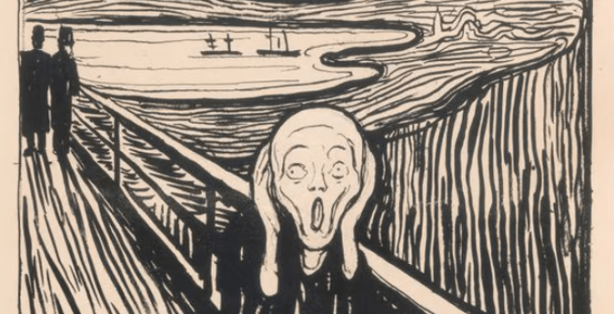
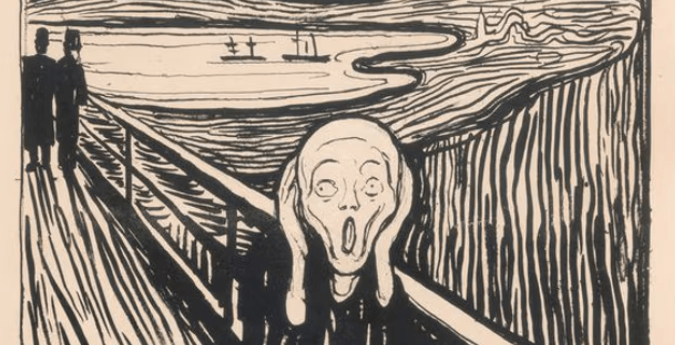
*As my Featured Image for this post, I used the painting The Scream by Edvard Munch (1895). He said about the piece that it felt like a “scream through nature,” and the painting features a distorted figure covering its ears, reacting to, rather than making, a sound.
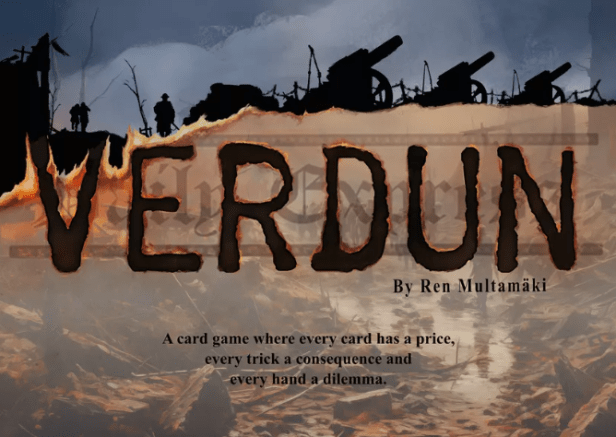
3. Verdun from Dragon Dawn Productions
Verdun is a card game that is focused on the famous siege of Verdun during World War I. As player’s hands dwindle down as they play 2 cards per round but only draw 1, players will also have to play cards that help the other side, timing it strategically to minimize their own casualties. The teams alternate being the Attacker, and each card played leads to more and more deaths. You are fighting over positive victory points from trying to win several positions through over the top attacks that are worth a set amount of VP but that are hidden from view until they are taken so you never know if you are going for the high VP area or the low ones until you blow the whistle to initiate the attack.
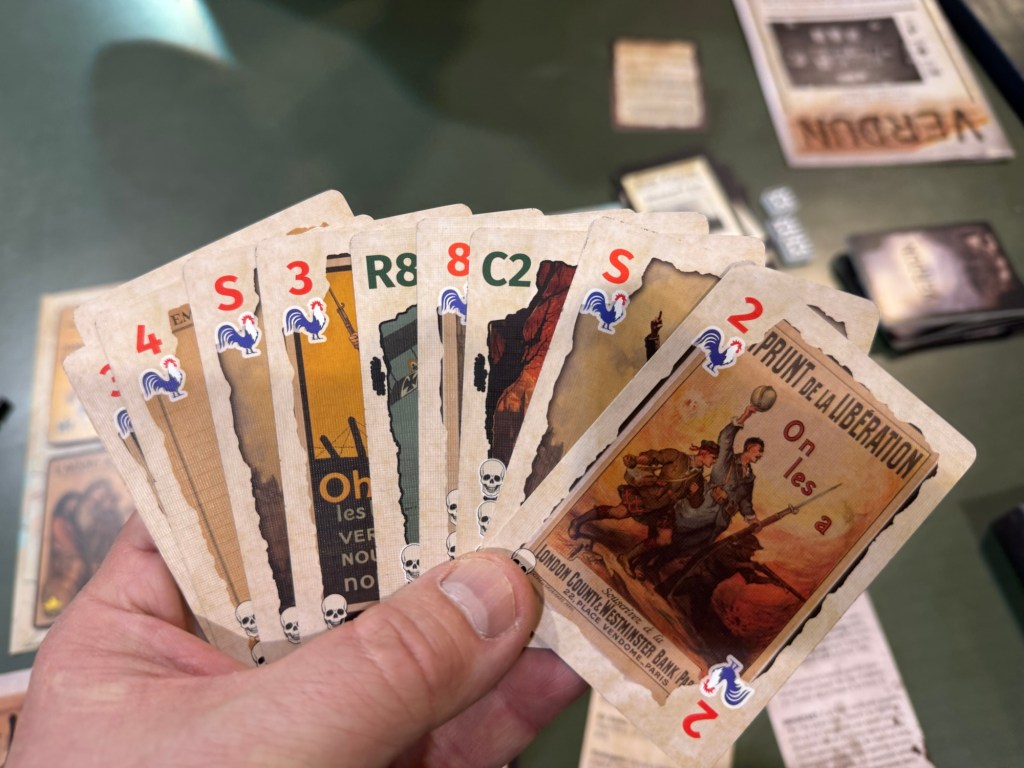
A game of Verdun lasts about 16 rounds as players start with 12 cards, which they then play in a series of 12 tricks. When you win the trick, you gain the VP for the position but the winner will lose their lowest valued cards while the loser will lose their highest value cards to the dead pile representing mounting casualties. Low cards have fewer skulls on them representing deaths while higher cards have more. So even in victory you will be accumulating negative VP’s and this is one of the key aspects of the game…managing those deaths! Just like the high command.
In the end, the player with the highest score will win and this number will be very low or can even be negative. In our play of the game, my French defeated Alexander’s Germans by a final score of 3 VP to -14 VP. What a great little trick taking game! The really interesting part about the late game is that your hand has dwindled to being full of your worst cards as you have most likely used the good cards earlier to win tricks or cause losses to your opponent. The last few card plays just seem brutal and you are just hoping to not have to take a lot of skulls. This felt very fruitless and mimics the despair of commanders as they had to issue orders that they knew were not going to result in any positive gains but only the loss of life.
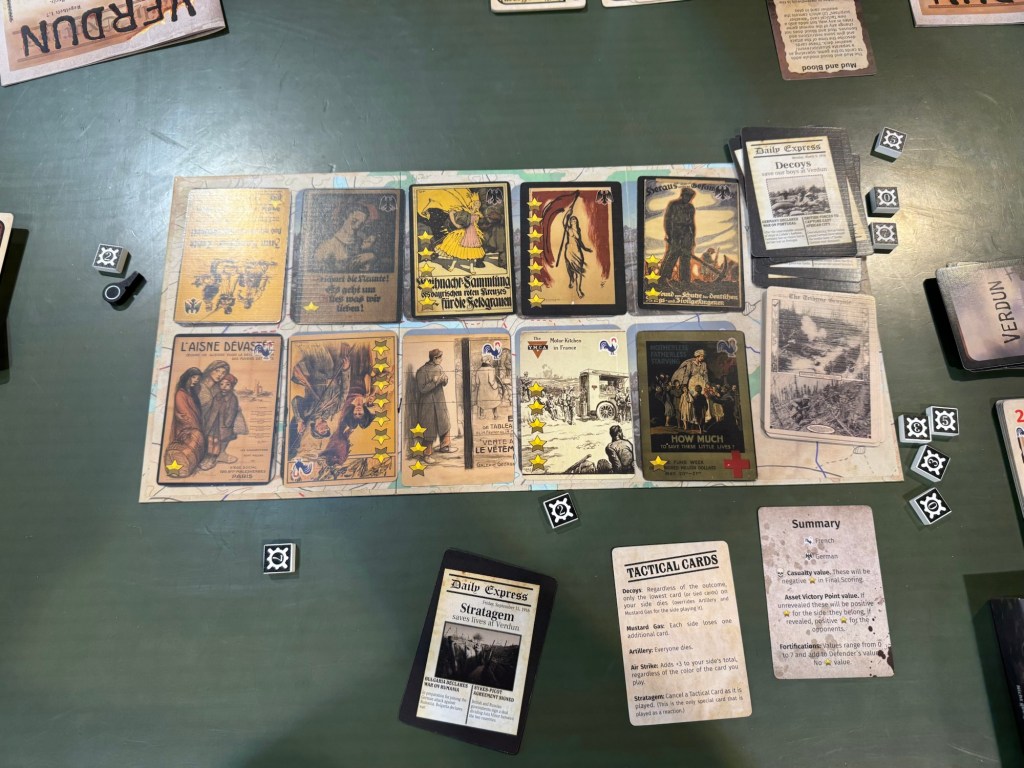
The game is also gorgeous with fantastic original period art used on the cards and amazing graphical layout and design. The images are very gritty and involve the feelings of the battle and create a very thematic portal for the players to experience the difficulties in the battle. Just a very slick little thematic game.
2. Paths of Glory: The First World War, 1914-1918 from GMT Games
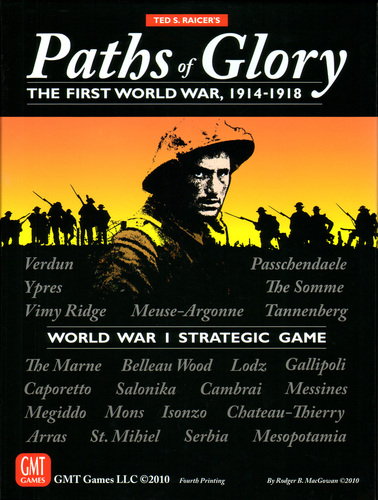
Paths of Glory is widely thought to be a masterpiece on WWI and after just a few plays of the game, both in person and online on the fabulous Rally the Troops!, I can definitely see why people feel that way. Even though we are novices, the game is just that good and really tells the story of the fruitless efforts of both the Entente and Central Powers as they bashed their heads against each other over control of Europe. The game is long and you generally are going to have to play this one over a long weekend to get it all in and enjoy it properly but it is just such as great tool to understand the complexities of the struggles of trench warfare, supply and the balance of attacking versus taking a breath and regrouping. I really enjoyed the mix of historical events and the choices that I had to wage the war in a way that I felt was appropriate. But, my message to everyone who plays this game is beware of supply. Even in our few plays, supply has been an issue and we have had to make sure we didn’t make a few fatal mistakes that would get us in trouble. I want it to be clear here. I am not good at this game…at all and the nuances of supply and how to play have just eluded me as I continue to make the same errors game after game. But it is really good and I look forward to each new play with enthusiasm and am excited about the chance to get to learn more about this fascinating war that was so very fruitless.

With that being said, generally in every single game the Central Powers will start out by playing their Guns of August card. Guns of August is a crucial, high-stakes opening event for the Central Powers on Turn 1, enabling an immediate, powerful and historical offensive against France and Belgium. It kicks off the continual back and forth of trench warfare and frankly seems to never really generate a good outcome. Each attack is bloody, with both sides being brutalized by having to reduce units and the trenches make attacking more and more difficult as they evolve and grow to Level 2. Paths of Glory in a large part is about resource management and the constant pressure to continue offensive momentum and rebuild troops through the use of Replacement Points and events to bring on additional troops is a major problem for both sides. You can only attack for so long before you will burn yourself out and will have to spend time to recover and get ready for the next turn’s offensives. This process of back and forth will ultimately rarely see fruits on the Western Front and will devolve into stalemate as each side strengthens their defense and the Entente begin to bring in reinforcements from England to shore up the lines and nullify the early German advantage. But the real despair in this game are the decisions about how to play your cards. You can use them for their Ops Points to fuel attacks and movement on the board, use them for the printed event or play them for the Reinforcement Points located at the bottom of the card. This is the real key to the game and managing this process of maneuver, attack, shoring up defenses, buying replacement points and protecting supply lines is where the players lose their minds. You simply cannot continue a full out frontal assault round after round. If you do, you will grind your men to dust and dig their own graves as you will be unable to prepare for the next turn. This is a long game and this process wears on turn after turn and the first person that makes a mistake typically is the one that loses.
Here is a link to our initial impressions video of the game:
1. The Grizzled from CMON Games
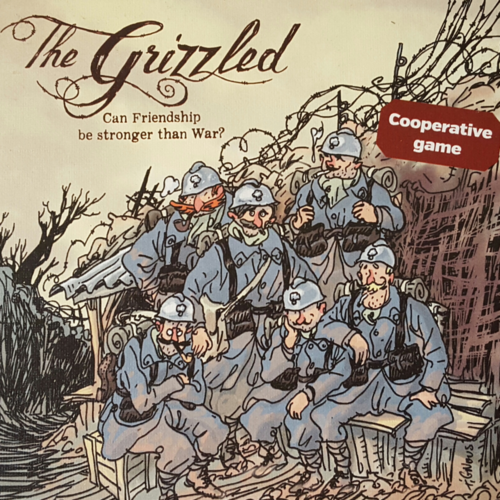
The Grizzled is a special game. Not a big game. Not a complex game. And not a game for every one as it is different, focused on the friendship and bonds of a group of French soldiers caught in the trenches of World War I. The game is a cooperative card game set during The Great War, also known as “the war that no one in the U.S. really understands because we only ever learn about World War II”. Ironically, playing The Grizzled is somewhat of a rather peaceful affair, but our plays have found it to be quite challenging, sometimes unwinnable in fact, and that is where the despair comes in. No matter how well you play the cards you are dealt and no matter how hard you work together to overcome challenges, failure is a part of the game and winning is truly at a premium.
The cards represent threats to all of the men’s safety or a hard knock which impacts the player or their compatriots in some way. The goal of the game is to play through all of the Trials cards to find peace (literally a Peace card). A standard game starts with 25 Trial cards on the peace deck and the remaining 34 Trial cards are placed in a separate morale deck (a draw pile). Cards move from the Morale deck to the Trial deck at the end of a mission. The Morale deck sits on a card picturing a monument commemorating the sacrifices made in war. But if you ever see this Monument card, you’ve lost the game.
The goal of each mission is the same to play as many cards as you can before withdrawing from battle. Cards are played in one of two ways; placing a threat in No Man’s Land or placing a hard knock card next to your soldier. Every time you play a card, the group is one step closer to victory, but if there are ever 3 of the same threats showing on the table at any one time, the mission is lost but the game will continue.
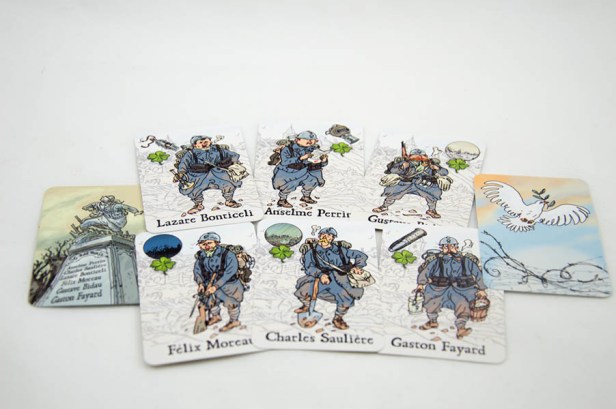
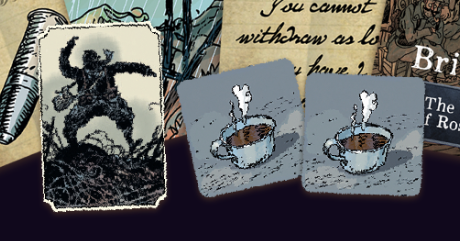
Beyond playing a card, there are 2 other actions but they are rarely available. On each player’s character there is a Lucky Charm showing one of the 6 threats in the game. Playing the Lucky Charm as an action allows that player to remove a matching threat from No Man’s Land, making the mission a bit easier to continue. After you use your Lucky charm you flip your character card over and no longer have access to that action. The other action is to make a speech. There are a very limited number of Speech Tokens in the game – the mission leader will receive one after each mission until all the tokens have been distributed. When giving a speech as an action, you have to have the token and you have to choose one of the 6 threats. The OTHER players still active in the mission then remove ONE card from their hand that matches the declared threat. These can be useful but are not guaranteed to have an impact. Once played, a speech token is removed from the game. But, one of my favorite mechanic is when you withdraw and add a support token to your character. The token is, very thematically a cup of coffee. When the round ends, you will pass this coffee to a teammate as support. The teammate that gets the most support at the end of the round can remove two hard-knocks or recover their lucky charm.
While we love the game, and I find it to be supremely interesting, we have never won in over 20 plays. We simply seem to run the same course over and over again and never seem to gain much ground. And I really think that this is the point of the game. And where the despair comes into play. One of the other things that I love about the game is the tag line that appears on the front cover. It reads: Can friendship be stronger than war? This statement gives some pause and causes a lot of discussion in our group particularly with the concepts of the exhaustion of characters (using their Lucky Charm and turning them over), the speeches (removing a threat from the battlefield that you cannot get rid of because no one has the matching cards) and the cups of coffee (support). As if a cup of coffee can overcome anything…but you can always give it a go.
Now there are many games that could be included on this list but the games I have chosen perfectly evoke the level of despair that I was going for in this piece. I have played many other games that convey despair but feel that these 3 best demonstrate the level of hopelessness that I was thinking of. What are your favorite games that evoke despair?
-Grant
 The Players' Aid