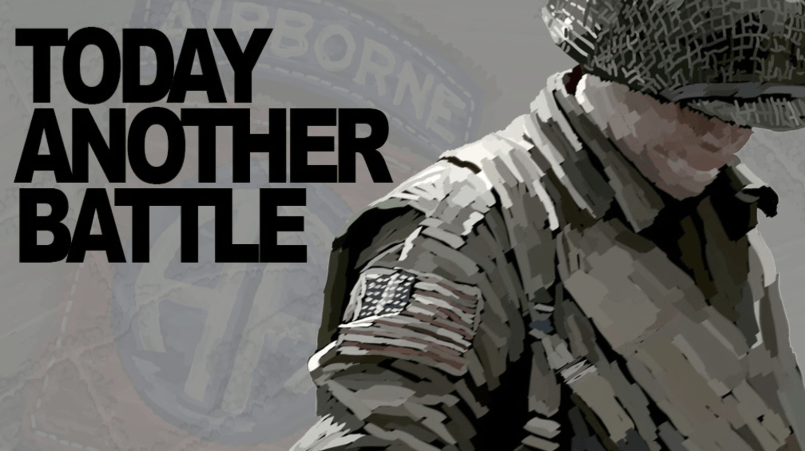
A few years ago, we posted an interview with Matt White, who is a very talented graphic artist and budding game designer, that focused on his artistic talents and love of tanks. He has since designed several very interesting small scale wargames, with his most recent series being a World War II tactical wargame series for 1-2 players pitting the British Airborne versus the German Wehrmacht called Until the Bitter End. He then designed the next entry in that series called Until the Bitter End – US Airborne followed by Until the Bitter End – Tanks. He has also done a few others including Would Be Aces and Operation Biting that have done very well. Recently, a new game appeared on Kickstarter from Matt called Today Another Battle Print and Play, which is a WWII solitaire wargame where you will face difficult choices and decisions in every part of the game. We reached out to Matt to get a bit more information about the game and he was willing to respond to our questions.
If you are interested in Today Another Battle Print and Play, you can late back the project on the Kickstarter game page at the following link: https://www.kickstarter.com/projects/1564988876/today-another-battle/description
Grant: What is your new game called Today Another Battle that was recently on Kickstarter? What is the game’s focus?
Matt: Today Another Battle is a solitaire print and play wargame. You take command of units of soldiers and armor set in the Normandy landscape during World War II. In order to achieve your objectives you will encounter bitter enemies, obstacles, good fortune and crippling bad luck.
Grant: What is the meaning behind the name of the game? What did you want it to convey to the player?
Matt: The main thing I always want to relate in all my game titles is the human side of history, that to me is the most important element. With this title, its the unrelenting nature of the Normandy campaign and how war would have become the new normal for the men involved.
Grant: What difficult choices and decisions face the player?
Matt: There are best choices in the game – more a series of choices you have to make in that moment. The key mechanics focus in on that decision making loop – what types of attacks, how to use your action points, which units to rally, how best to reinforce, etc. You don’t know in this game the strength of the enemy, often so that makes those decisions even harder or you can recon, but that in itself is a choice you have to make.
Grant: What different scenarios are included in the game? What type of challenge does each present?
Matt: The game includes a variety of scenarios varying from taking key territory points to achieving specific objectives and holding them. These give variety in both play length so you can determine which scenario you want to play based on how much time you have and variety in the objectives in themselves.
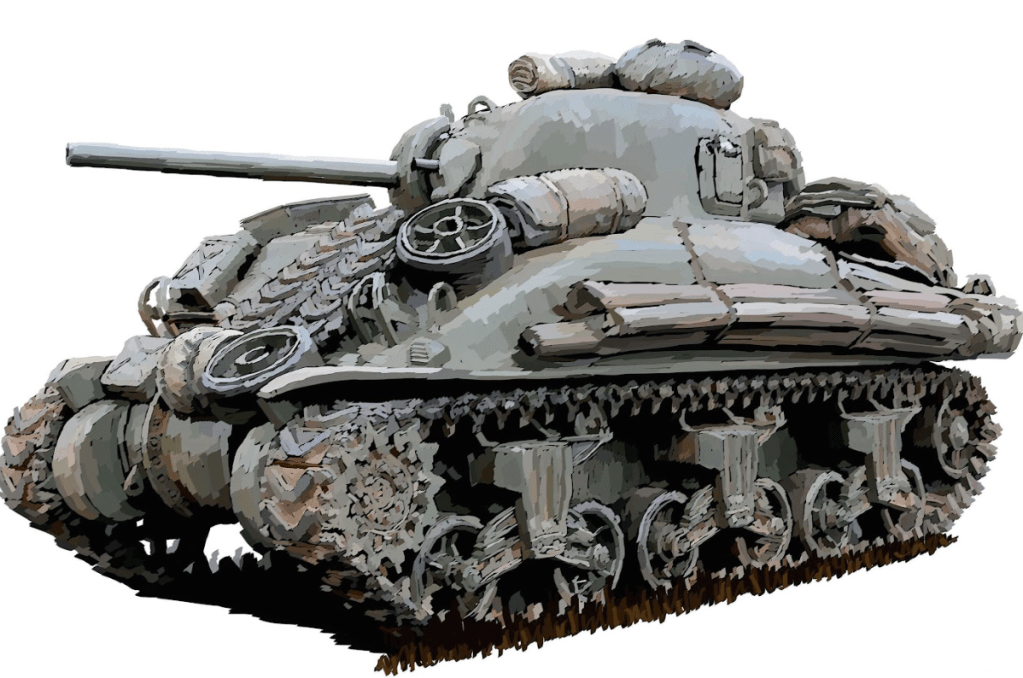
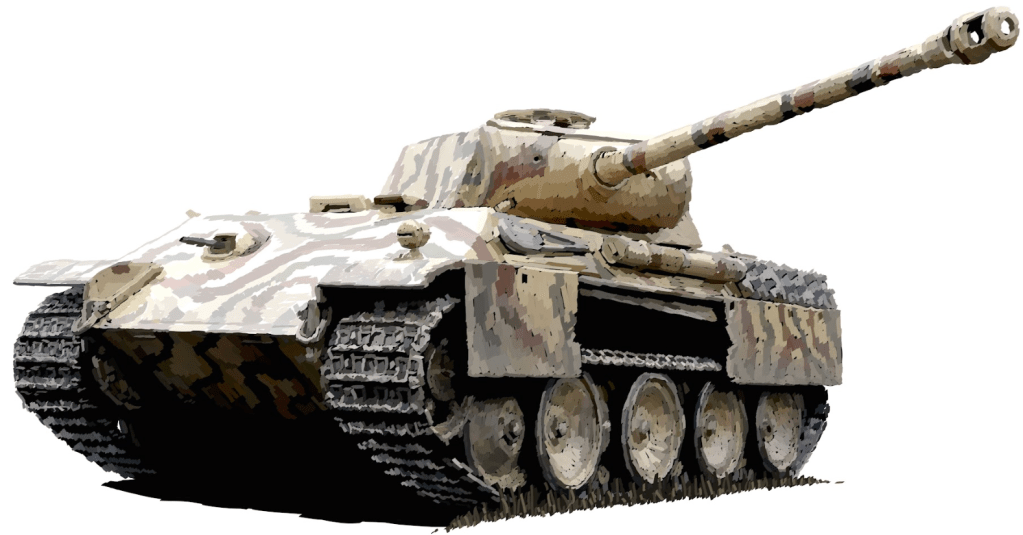
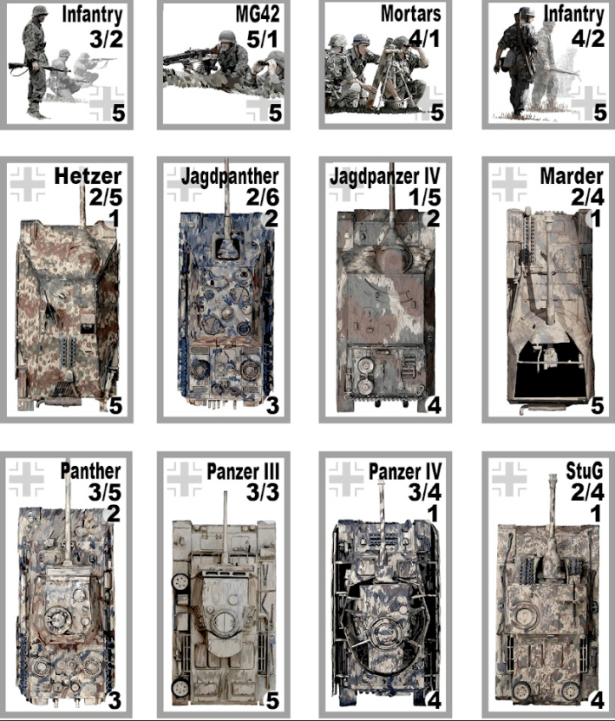
Grant: I know you are not only the designer but you do the art for the game as well. Please show us a few examples of the great art.
Matt: Here are a few different drawings showing the different types of armor units encountered.
Grant: What is your inspiration for your art style?
Matt: The biggest inspiration for me is to study the history of the subject, especially first hand accounts from soldiers or tank crews for example. My aim is always the study of the human condition. I am self taught, as an artist.
Grant: How do you create the art for the counters? What is the process and what graphics tools do you use?
Matt: I do draw digitally using a drawing tablet – but the process is the same as traditional art. Just without the cost of materials or the mess!
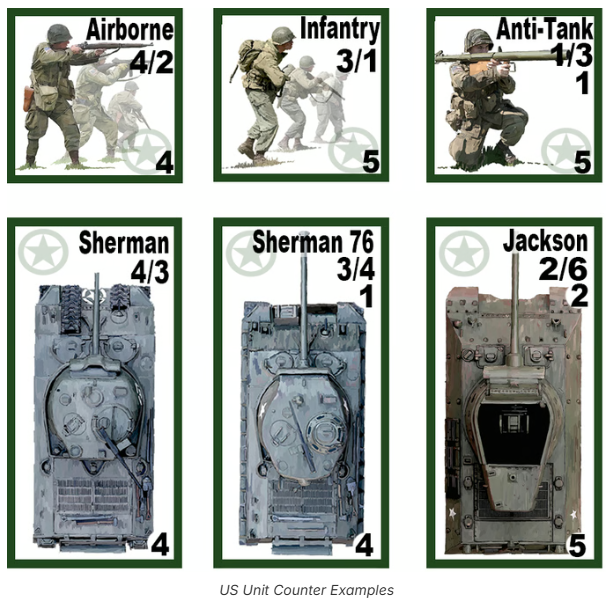
Grant: What is the anatomy of the counters? What different types of information are printed on them? Can you show a few closeups of the different counters?
Matt: Each counter tells you which side, the number of combat dice you roll against infantry or armor targets and the units saving throw. These are very simple counters that keep the player focused on the game and not its mechanics.
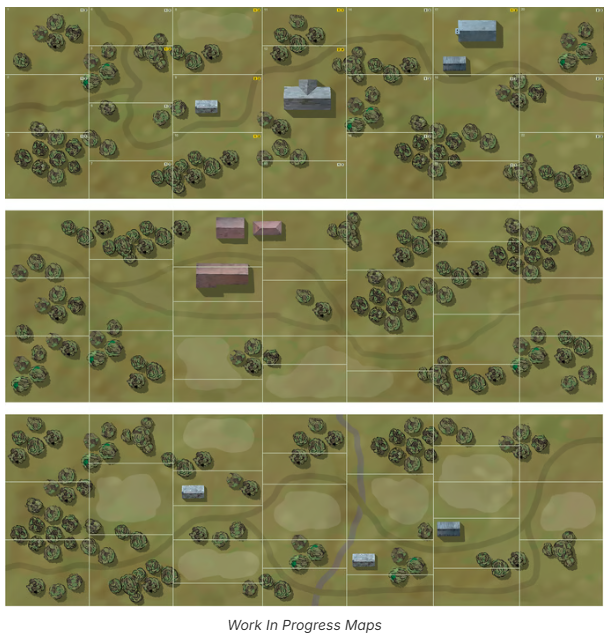
Grant: How many maps come with the game? What type of terrain is included?
Matt: The game comes with 3 maps with each map is approximately 30 x 9.5 inches. Maps feature a range of terrain types such as hills, woods, buildings and rivers.
Grant: How does combat work in the game?
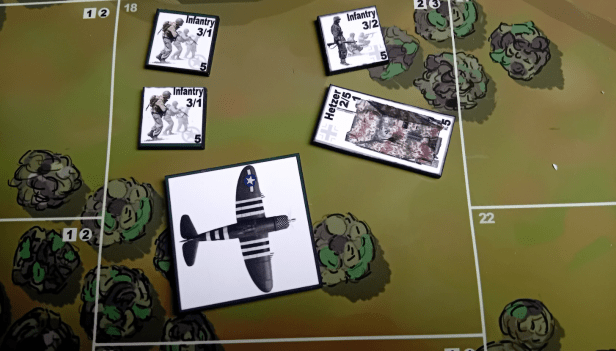
Matt: During the Combat phase, any Zone that contains the player’s unit counters plus any enemy counters will lead to a Combat that will be resolved. Before any combat takes place, the player will need to decide which type of Attack they will be using.
The player has three types of attacks they can choose between:
Normal Attack – costs 0 Command Points, but the enemy will attack first.
Full Attack – costs 2 Command Points, but the player will attack first.
Each counter will show the player how many dice to roll for combat with a six required to hit the enemy. The player will then make a Saving throw and determine the outcome for the hit counter.
Grant: What events occur as your troops move into new zones on the maps?
Matt: Every time the player enters into a Zone in the game there are a small number of charts to go through to determine any enemies plus any random events. Random events can help or hinder the player and add a great narrative flavor to the game! These include everything from the enemies surrendering to encountering enemy mine fields and defenses.
Grant: How are Command Points utilized? What type of actions can be taken with these CP’s?
Matt: Each turn the player will roll (with modifiers) to determine the amount of Command Points that they can use for that turn. The player will have to decide how best to use these Command Points and will have difficult decisions to make as they often will not have enough Command Points to do everything that would ideally want to do. These Command Points can be used in a variety of different ways, including:
Moving Units into an adjacent Zone.
Rally Units in a Zone.
Use Recon to identify enemies in an adjacent Zone.
Selecting the type of attack to be used in Combat.
Use Artillery and Air Strikes before the Combat is resolved.
Grant: What role does Morale play in the game? How is it affected both positively and negatively?
Matt: The morale tracker is one of the key gameplay elements within the game. Maintaining a high morale for your force is important to give your units the best chance for success. Your force morale can increase as you take control of new zones, reach objectives and defeat the enemy in combat. Conversely it can also reduce if you loose territory or retreat from battle, which can have dire consequences.
How you balance your morale combined with the Command Points game mechanics are key to your strategy in making very hard decisions within the game.
Grant: What is the general structure of each turn?
Matt: During the turn the player will be determining aspects such as the weather for the turn, how many command points that they have to spend and what they spend those command points on. The player can spend command points on brining on additional reinforcements, moving units, performing air strikes etc.
Every turn has a set structure and list of key mechanics to go through. The turn structure of the game is:
1. Determine Weather (Weather can have a direct outcome on air support and combat).
2. Determine Command Points (Roll for command points, which will be used to move counters and perform set actions such as Rallies, artillery support etc).
3. Determine Units Out of Supply (Friendly counters cut off and isolated will be at a significant disadvantage).
4. Rally (You can roll to rally broken counters).
5. Reinforcements (Depending on the mission there may be extra reinforcements that you can bring onto the map).
6. Roll for Zone Controlled Events (Every turn you will roll to see if any events, such as being contested by the enemy affect Zones you control).
7. Recon (Before moving your forces you can spend Command Points, if you wish, on recon for adjacent zones).
8. Move (You can spend Command Points on moving units into the adjacent areas).
9. Roll for New Zone (As you move units into new Zones you will roll for events, including potential enemy units).
10. Combat (Resolve any combat where your units occupy the same Zone as enemy units)
11. Turn End (The turn end and check for Victory Conditions)
Grant: How does the solitaire bot work in the game?
Matt: During the turn there is a specific section for the game where the AI will try and take back previously fought zones within the map. Plus the enemy AI will attack and counter attack as part of the Combat phase.
Grant: When do you think it will be ready for fulfillment?
Matt: The game will be available in October this year. Thanks again for everyone’s support for my work and contributions to our wonderful hobby.
Thanks to Matt for his time in answering our questions and for his great little print and play games. I love it when one of these new games is brought to light as I get to oodle over the art and see what new things he has created!
If you are interested in Today Another Battle Print and Play, you can late back the project on the Kickstarter game page at the following link: https://www.kickstarter.com/projects/1564988876/today-another-battle/description
-Grant
 The Players' Aid